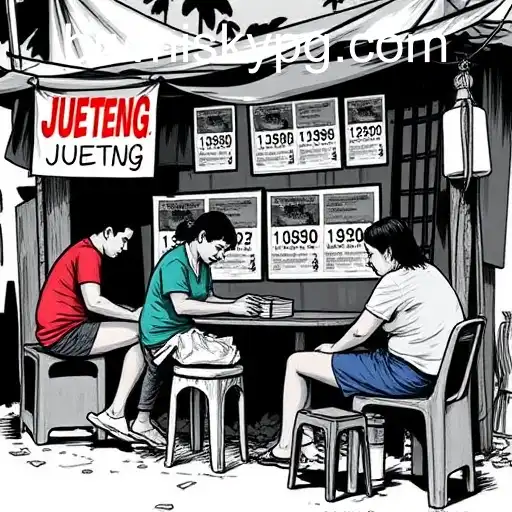
Understanding Jueteng: A Cultural Institution
Jueteng is an illegal numbers game that has become deeply entrenched in the cultural fabric of the Philippines. Despite numerous government crackdowns, this form of gambling persists as a significant aspect of daily life for many Filipinos. Its operation and the societal impact it creates are elements that merit thorough examination.
The Mechanics of Jueteng
Jueteng is primarily a number-guessing game. Players wager on a combination of two numbers ranging from 1 to 37. The winning combination is typically drawn twice a day, with players placing bets through local collectors known as "kubradores." These kubradores gather bets from participants in various neighborhoods, funneling the collected money to operators known as "cobradores," who in turn report to a central coordinator or "kapitan."
The Historical Roots of Jueteng
The origins of Jueteng date back to the Spanish colonial era, reflecting a long-standing tradition that has survived multiple regimes. Initially, it served as a mere pastime among workers but evolved into an organized gambling network over the years. Understanding this historical context is crucial as it provides insight into the persistence of the game despite numerous legal battles.
Jueteng and Socio-Economic Factors
Jueteng operates predominantly in rural and urban poor areas where poverty rates are high. It often becomes a source of quick money for those in desperate need, offering them a glimmer of hope for financial relief. However, this false promise of prosperity can trap participants in cycles of debt and dependency, exacerbating their economic struggles.
Impact on Local Economies
The money involved in Jueteng operations is substantial, often surpassing local business revenues. While it provides short-term financial benefit to some individuals through employment in its machinery, Jueteng drains resources that could otherwise contribute to sustainable economic activities.
Legal Battles and Government Response
Despite its illegality, efforts to eradicate Jueteng have been fraught with challenges. Corruption, inadequate law enforcement, and societal acceptance allow the game to continue. Various administrations have attempted to curtail its influence with limited success due to these very factors. The issue is often not just the legal framework but the willingness of local authorities to enforce existing laws.
Cultural Acceptance and Media Representation
Jueteng is deeply ingrained in the culture, often romanticized or normalized in Filipino media. This perception contributes to its persistence, as it legitimizes the game and minimizes the perceived risks associated with participation.
The Role of Technology and the Future of Jueteng
With technological advancements, there have been efforts to digitize similar betting games, although Jueteng predominantly remains a non-digital venture. Concepts like "WhiskyPG PH Login" highlight how technology could integrate into this landscape, potentially enabling more covert and widespread exchanges. However, the ethical implications and regulatory challenges continue to be significant hurdles.
Challenges and the Way Forward
The eradication of Jueteng requires a multifaceted approach that includes legal reform, economic programs, and education. Strategies that embrace both legal enforcement and community development may offer the most viable path to reducing its prevalence. Reducing poverty, enhancing education, and fostering transparency in governance could diminish the societal reliance on Jueteng.
Conclusion
Jueteng is a complex issue, reflecting broader socio-economic, legal, and cultural dynamics in the Philippines. As the country continues to evolve, so must its approach to this multifaceted challenge, ensuring that solutions address root causes rather than symptoms alone.